
The Definitive Guide to the Ultimate Homologation Cars: From Rally Legends to Le Mans Dominators
Automotive history is punctuated by moments of pure engineering audacity, where manufacturers pushed the boundaries of what was possible on public roads by taking the fight to the track. These rare beasts, born from the stringent rules of motorsport but tamed for the street, are known as homologation specials. They represent the pinnacle of performance and exclusivity, offering a tangible link between the roar of the racetrack and the driver’s seat.
For decades, the world of rallying and endurance racing has served as the ultimate proving ground for automotive innovation. To compete in these demanding disciplines, manufacturers had to adhere to strict regulations that often required a certain number of road-legal versions of their race cars to be produced. This necessity birthed some of the most iconic, powerful, and sought-after vehicles ever made.
In this comprehensive guide, we’ll delve deep into the golden era of homologation specials, exploring the stories behind the most legendary machines that bridged the gap between competition and consumerism. From the frozen forests of Sweden to the sun-drenched circuits of France, these cars defined their eras and continue to captivate enthusiasts today.
The Genesis of the Homologation Special
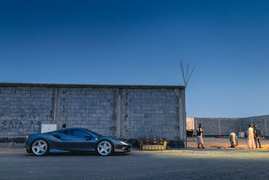
The concept of homologation—the process of certifying a car for competition by meeting specific production requirements—has given rise to some of the most thrilling vehicles in automotive history. While race cars are designed for one purpose—to win—homologation specials are a unique breed: they are race cars wearing road-legal attire.
The earliest examples emerged in the 1950s and 60s, but it was the advent of the World Rally Championship (WRC) in 1973 and the Group B era of the 1980s that truly cemented the homologation special as a cultural icon. These were times when the lines between road-going production cars and purpose-built rally machines were blurred, resulting in some of the most exhilarating and sometimes dangerous cars ever conceived.
Beyond the WRC, endurance racing series like the FIA Group C and the GT1 class of the 1990s also demanded homologation specials, leading to the creation of mid-engined supercars that rivaled Formula 1 machines in performance. These cars, often built in tiny numbers, remain highly coveted by collectors and petrolheads worldwide.
From the Rally Stages to the Open Road: The Legends of Group B
The World Rally Championship’s Group B era (1982-1986) is widely regarded as the golden age of rallying. Manufacturers were granted unprecedented freedom in car design, allowing them to push the boundaries of performance with turbocharged engines, all-wheel drive systems, and lightweight materials. To qualify for these radical machines, however, a certain number of road-going versions had to be produced—leading to some of the most iconic homologation specials in history.
Audi Sport Quattro: The All-Wheel Drive Revolution
When Audi unveiled the Quattro in 1980, it wasn’t just a rally car; it was a revolution. As the first all-wheel drive car to compete in the WRC, it shattered the dominance of rear-wheel drive machines and forever changed the landscape of rallying. The road-legal Sport Quattro, introduced in 1984, was a shortened, more potent version of the rally icon.
The Sport Quattro featured a compact, muscular stance with a significantly shorter wheelbase than the standard Quattro, enhancing its agility on tight rally stages. Under the hood, Audi’s legendary 2.1-liter inline-five engine was force-fed by a turbocharger, producing around 302 horsepower in road trim—a staggering figure for the mid-1980s. This power was channeled through a sophisticated Quattro all-wheel drive system, providing unparalleled traction and grip in all conditions.
Only 224 examples of the Sport Quattro were ever produced, making it a rare and highly sought-after machine. Its distinctive angular design, flared wheel arches, and short, aggressive profile have made it an enduring symbol of the Group B era. For collectors and rally enthusiasts, the Sport Quattro represents the pinnacle of all-wheel drive performance and a testament to Audi’s engineering prowess.
Lancia Stratos HF Stradale: The Mid-Engined Masterpiece
Lancia, a brand synonymous with rally success, created one of the most iconic homologation specials of all time with the Stratos HF Stradale. Conceived specifically for rallying, the Stratos was a mid-engined marvel that combined Italian design flair with race-bred engineering.
The Stratos HF Stradale was the road-legal version of the legendary Lancia Stratos HF, which dominated the World Rally Championship from 1974 to 1976, securing three consecutive manufacturers’ titles. Designed by Marcello Gandini at Bertone, the Stratos featured a wedge-shaped, aerodynamic body made of lightweight fiberglass, mounted on a spaceframe chassis.
Powering the Stratos was the acclaimed Ferrari Dino V6 engine, a 2.4-liter unit that produced around 190 horsepower in road trim. This mid-engine layout, unusual for rally cars of the era, provided the Stratos with exceptional balance and agility, allowing it to dance through corners with remarkable precision.
Around 490 road-going examples of the Stratos HF Stradale were produced, though estimates vary slightly. Its stunning wedge design, vibrant colors, and unmistakable silhouette have made it one of the most desirable and recognizable homologation specials ever created. The Stratos remains a symbol of rally innovation and Italian automotive artistry, commanding premium prices in the collector car market.
Ford RS200: The Rally-First Creation

The Ford RS200 was Ford’s ambitious answer to the dominance of all-wheel drive rally cars like the Audi Quattro and Peugeot 205 Turbo 16. Developed specifically for the Group B regulations, the RS200 was a mid-engined, all-wheel drive machine engineered from the ground up for rallying.
To meet the homologation requirements, Ford produced 200 road-legal RS200s. These road cars were relatively understated compared to their rally counterparts, but they still packed a punch. Powered by a 1.8-liter Cosworth BDT engine, the road-going RS200 produced around 250 horsepower, while the rally versions could be tuned to produce upwards of 450 horsepower.
The RS200’s compact, mid-engined layout gave it exceptional handling characteristics, allowing it to excel on the tight and twisty stages of the WRC. Despite its promising performance, the RS200’s competition career was cut short by the premature end of the Group B era in 1986, following a series of high-profile accidents.
Today, the Ford RS200 is a highly sought-after collector’s item, appreciated for its unique rally heritage, innovative engineering, and limited production numbers. Only 200 road-legal examples were ever made, making it one of the rarest and most valuable rally homologation specials.
Subaru Impreza WRX STI Type RA: The Japanese Rally Icon
Subaru carved its name into rally folklore with the Impreza WRX STI, a car that brought the excitement of the WRC to the masses. While the standard WRX STI was a formidable performance car, the Type RA (Record Attempt) version was a true homologation special, built to commemorate Subaru’s record-breaking runs and push the boundaries of production rally performance.
The Impreza WRX STI Type RA featured a more powerful version of Subaru’s legendary EJ20 2.0-liter turbocharged boxer engine, producing around 271 horsepower. It also boasted a host of performance enhancements, including a driver-controlled center differential, upgraded suspension, and lighter body panels to reduce weight.
These rally-bred enhancements transformed the Impreza into an even more formidable machine on the stage, capable of tackling the most demanding rally routes with precision and power. The Type RA represented the pinnacle of Subaru’s rally engineering, offering a taste of their WRC success in a road-legal package.
While not as rare as some European homologation specials, the Type RA remains a highly desirable model for collectors and Subaru enthusiasts, symbolizing the brand’s golden era in rallying.
The 1990s GT1 Era: Supercars Built for the Track
The 1990s saw a new breed of homologation special emerge, born from the FIA’s GT1 class regulations. These machines were essentially race cars with road-legal modifications, designed to compete in endurance races like the 24 Hours of Le Mans. The GT1 era produced some of the most extreme and exotic road cars ever made, blending supercar performance with motorsport technology.
Porsche 911 GT1 Strassenversion: The Road-Legal Race Car
Porsche’s legendary status at the 24 Hours of Le Mans led to the creation of one of the most iconic GT1 homologation specials: the 911 GT1 Strassenversion. Developed to compete in the GT1 class, this mid-engined monster was a road-legal version of Porsche’s purpose-built racer.
The 911 GT1 Strassenversion featured a 3.2-liter twin-turbocharged flat-six engine, producing around 536 horsepower. This power was delivered through a rear-wheel drive system, giving the car explosive acceleration and incredible performance. The Strassenversion featured a unique body with massive air intakes, a large rear wing, and a low-slung stance, clearly hinting at its racing pedigree.

Porsche initially planned to produce 25 road-legal examples, but the